The history of Vác from the conquest to the beginning of the 20th century
Virtual Exhibition
Due to the size of the exhibition space, the Museum's new permanent city history exhibition could not undertake to present the rich history of Vác and its surroundings, and the daily lives of the people living here in recent centuries, in full depth. Our illustrated city history summarizes the main events from the conquest to the end of the 19th century, providing a historical background to the exhibition!
From the beginning to 1301
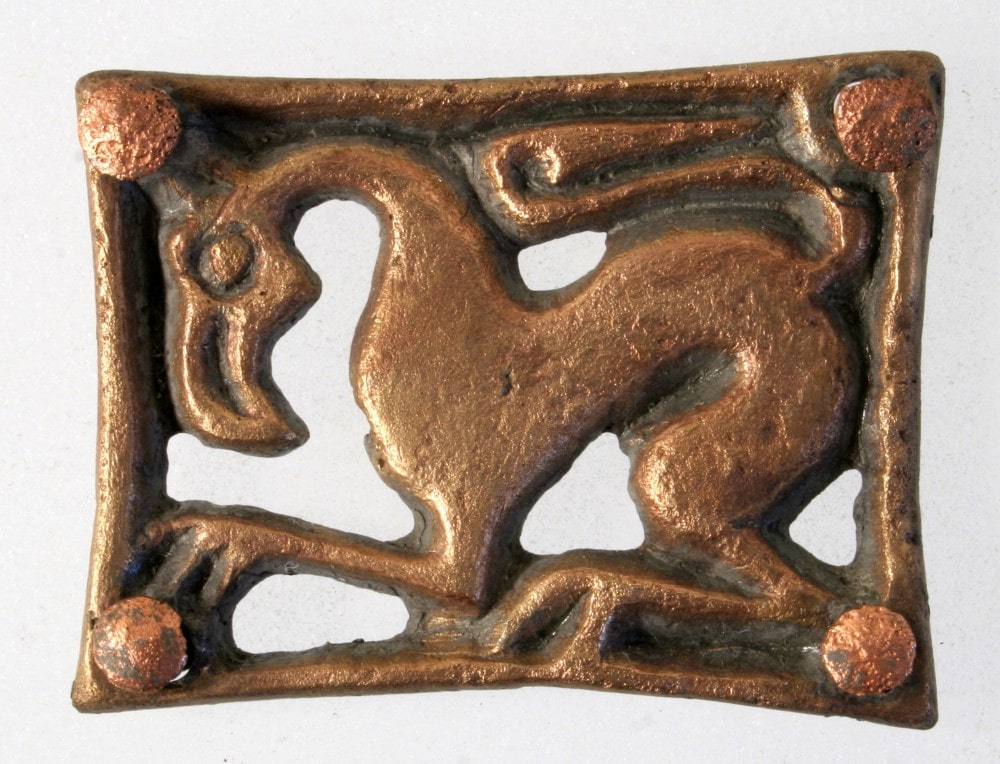
After the conquest, the Hungarians arriving from the east and the ethnic groups that joined them probably settled in the Carpathian Basin in tribes. Our ancestors preferred the central, lowland and hilly parts of their new country, which they took possession of around 900, and settled here in the largest numbers. We know of their archaeological traces from several points in the Vác area. When researching the settlements of the time, the remains of simple, puritanical dwellings and fragments of cheap, roughly shaped clay pots are most often found. The cemeteries of the leaders usually yield richer finds – simpler silver, rarely gold jewelry.
A hét vezér új hont foglaló népe a 11. század végén nem lakatlan területre érkezett.
For several generations, Slavs from the north have settled among the descendants of the Avars, who had lived here since the mid-6th century and had previously also arrived from the eastern steppes.
The name of our city is a shortened form of the Slavic name Václáv (Vencel), which was nicknamed Vác. The name-giver may have lived sometime before the middle of the 11th century, and his surroundings may have spoken mostly Hungarian, but he certainly used other Slavic names as well.
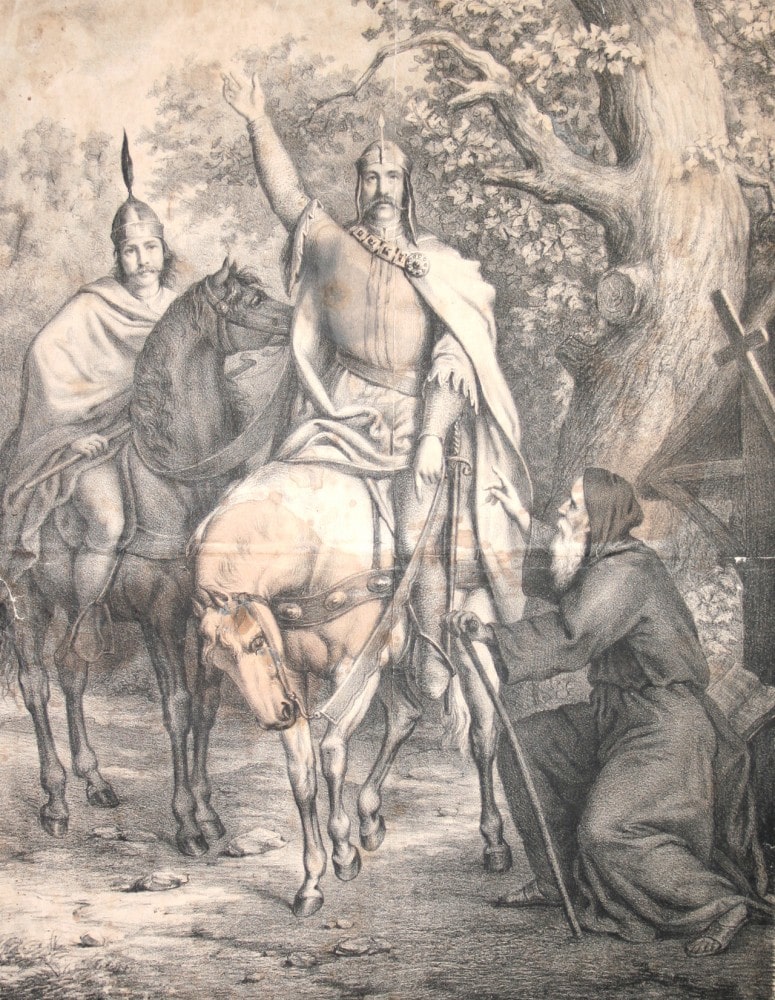
Since the reign of Prince Géza, the area around Esztergom, (Székes) Fehérvár and Buda has been the centre and heart of the country. According to tradition, Vác is also one of the ten first bishoprics connected to Saint Stephen. It is certain that this diocese was founded relatively late; modern research places its foundation either in the last years of Saint Stephen's reign or in the time of one of his successors, but in any case before 1075. The author of the Illustrated Chronicle, written several generations after the events, in the mid-14th century – evidently based on earlier works known to him – was certain, and tried to convince his readers, that the bishopric was founded by King Géza I after 1074. In his opinion, the city's location was a large forest at that time, where no one lived, except for a hermit with a holy life named Vác, after whom Prince Géza later named the city he founded.
The town must have been a significant settlement as early as the early 11th century, as our first rulers established an ecclesiastical center here. The hermit's legend is also refuted by the fact that our town is mentioned in the annals of the distant Yburg monastery in 1074. The annals mention the undoubtedly significant settlement in connection with the German ruler's campaign - King Henry ravaged Hungary as far as Vác, i.e. Wazenburg.
In the Illustrated Chronicle, among the events that took place in the year of our Lord 1077, we read that Géza, who was “He was buried in the Church of the Holy Virgin, which he built.”
The bishops of Vác appeared more and more frequently in the documents of the 12th and 13th centuries, together with other church leaders, as persons involved in the country's internal politics. The city is also mentioned by the 12th century Arab geographer among the more significant Hungarian settlements. The Tatar invasion brought great destruction to the developing Vác.
According to the contemporary account of Master Rogerius, on Sunday, March 17, 1241, the Tatars savagely attacked the city and captured it. The defenders of the fortified area around the cathedral and the stone buildings standing there could not resist them, and all the Christians fell or were taken prisoner that day. The attackers robbed the church treasury, then burned the large crowd of ordinary people who had gathered in Vác, the canons and the families of the nobles - probably locking them in one or more buildings, perhaps the cathedral. In the wake of the unprecedented cruelty, the surviving people of the area were able to flee to the forests here too.
The one-year Tatar rule ended in the spring of 1242. Following the Mongols’ unexpected retreat – with thousands of prisoners and immeasurable booty – Béla IV and his nobles began the seemingly hopeless task of restoring the country. German settlers arrived in many settlements of the country. Most of them were probably driven away from their homeland by overpopulation and the scarcity of arable land. A smaller proportion of them arrived with full purses and, often maintaining their home, German connections, started to engage in business and long-distance trade that brought considerable profits.
The guests who arrived in Vác established the German city on the site of one of the destroyed Hungarian districts, around today's March 15th Square.
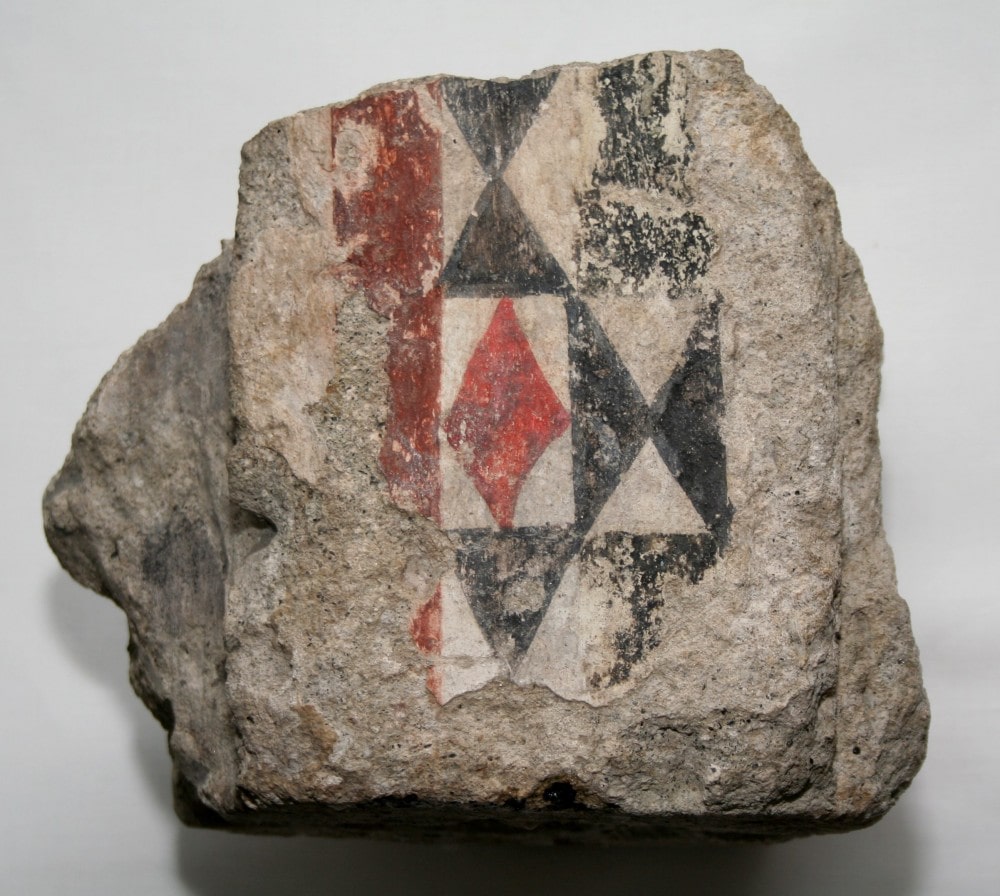
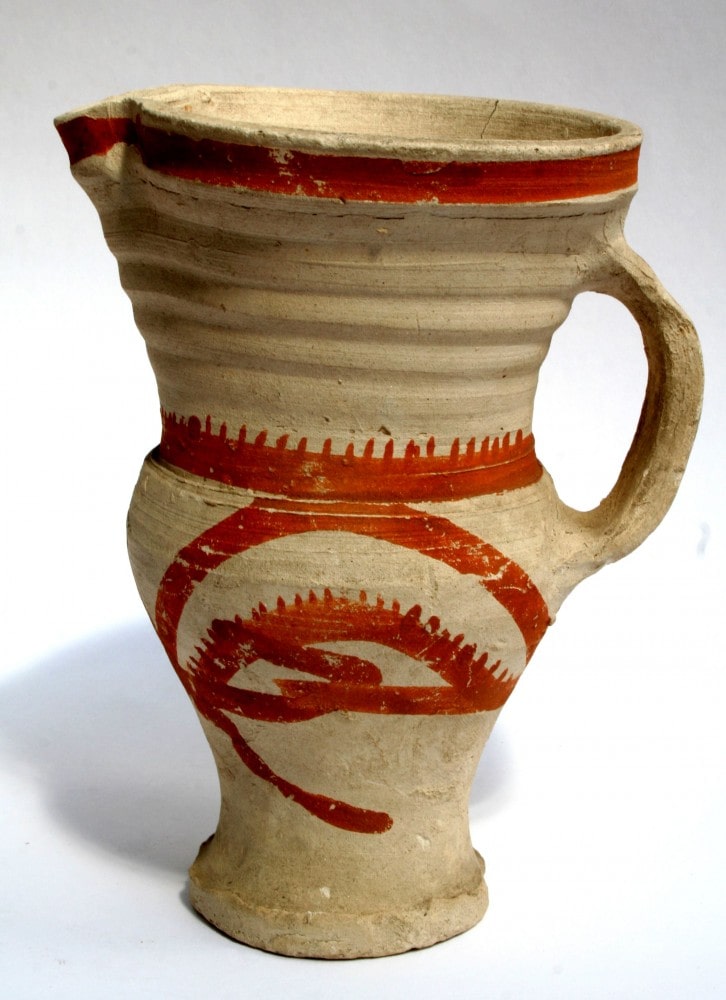
In the middle of the main square with an elongated triangular layout, on the site of the previous church, a new stone church was built to replace the church destroyed by the Tatars, and it was dedicated to the Archangel Saint Michael. Continuing the previous custom – and observing the church regulations – the cemetery was located around the church. This church was first mentioned in 1319 in the charter of the Augustinian monastery of Saint James, also built in the German city.
From 1301 to 1686
After the two decades of civil wars following the extinction of the Árpád dynasty in 1301, more than a century of peaceful development followed. Around 1400, the city's stone defensive wall was built, with its gates guarded by thick, massive towers. The most important activities of the local, mostly German population were grape growing and wine trade, as well as handicrafts. After the death of King Sigismund, the Hussites, who were called to the Uplands in connection with the throne struggles, posed a serious threat to our area. It is possible that the bishop's castle was built around the cathedral and the bishop's palace at that time. It is certain that we first encounter the mention of the Vác castle in 1465. King Matthias (1458-1490) defeated the Hussite robbers in the first years of his reign, so Miklós Báthori, who was appointed bishop of Vác in 1474 as a relative of the king, was able to devote his 32-year career to peaceful construction projects in addition to his duties as high priest. He rebuilt his palace and cathedral at great expense. He had his own chapel built for the latter, which also became his resting place in 1506.
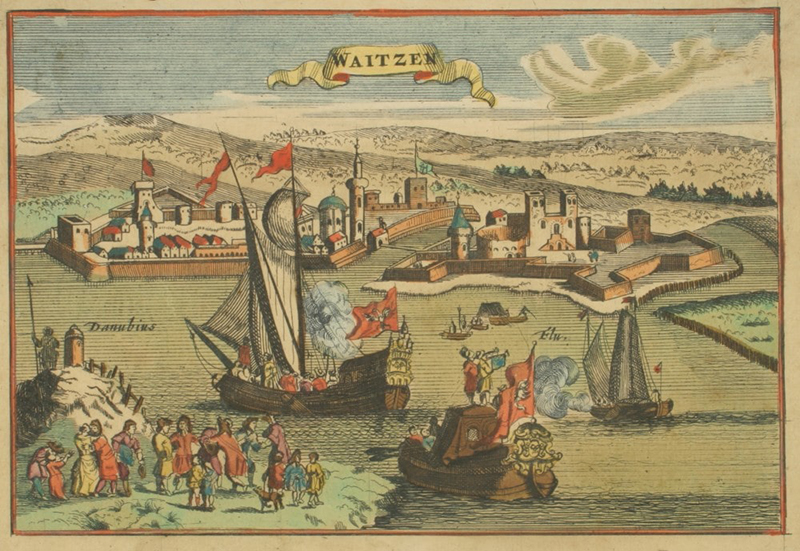
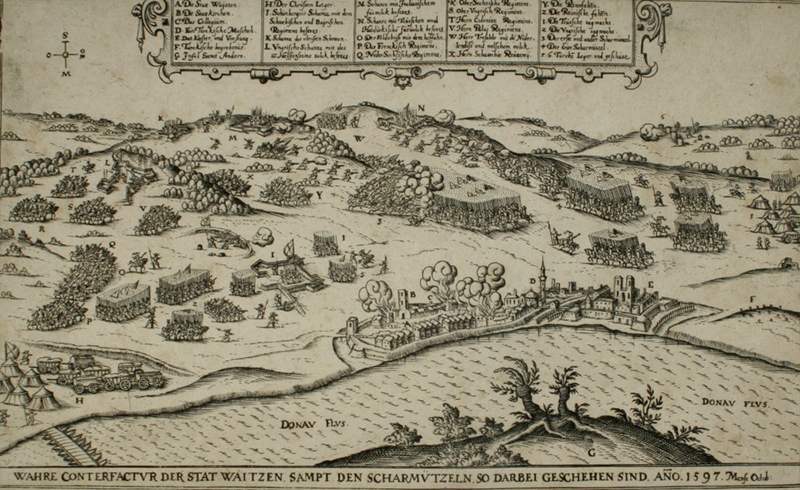
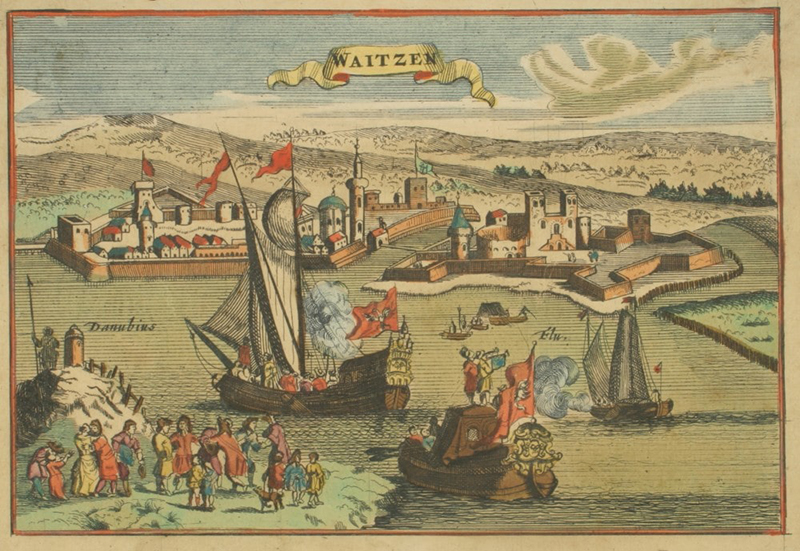
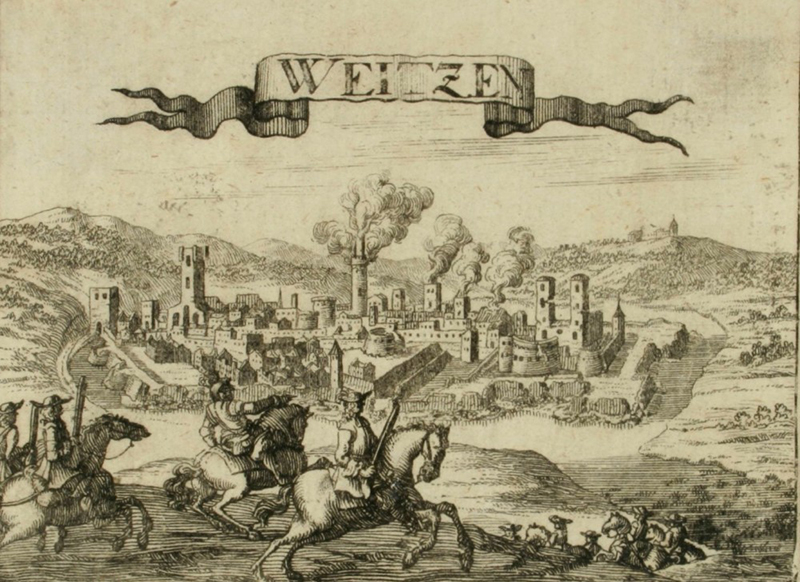
The Turks reached our area after the defeat at the Battle of Mohács in 1526, but then retreated to the Southern Region after a few weeks of raiding. In 1541, they held on to the recaptured Buda. As the next step in increasing their control, they captured the nearby castles in 1543: Esztergom, Visegrád, Vác and Nógrád. Vác was then part of the Turkish border castle system for decades. It changed hands several times during the Fifteen Years' War that began at the end of the 16th century.
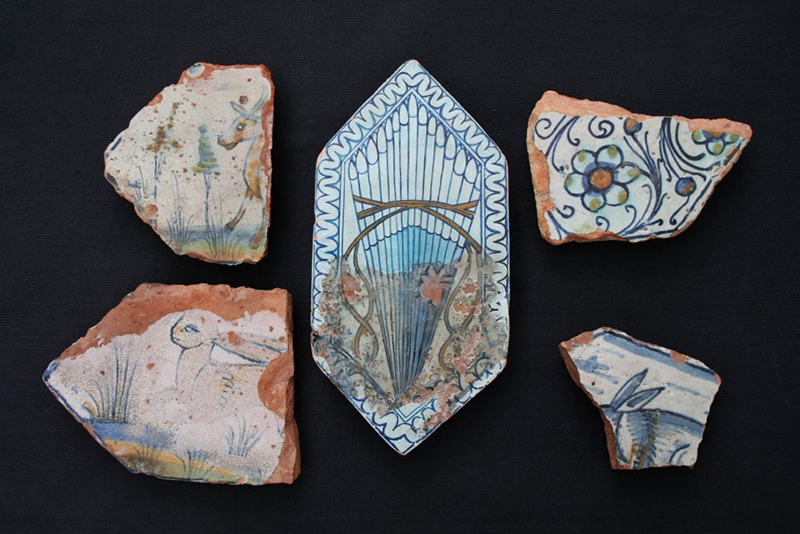
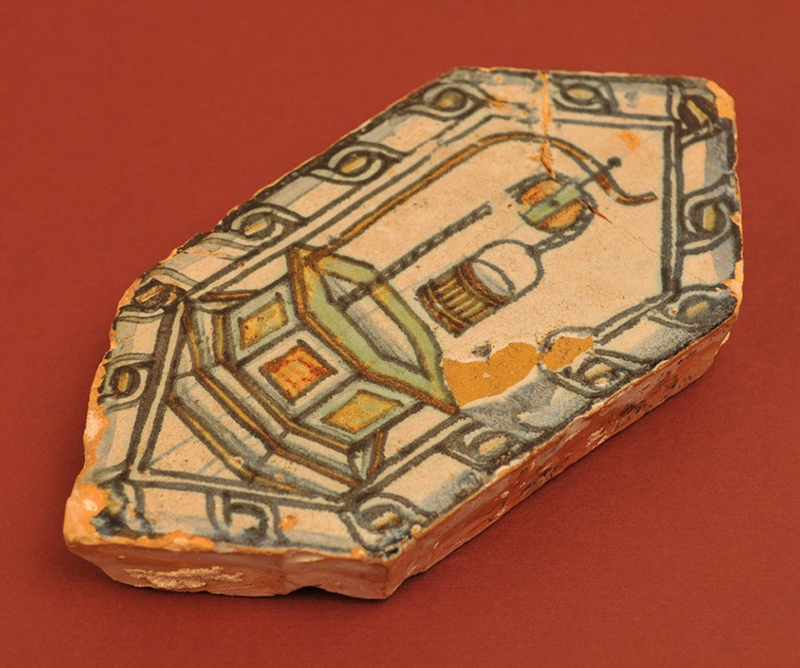
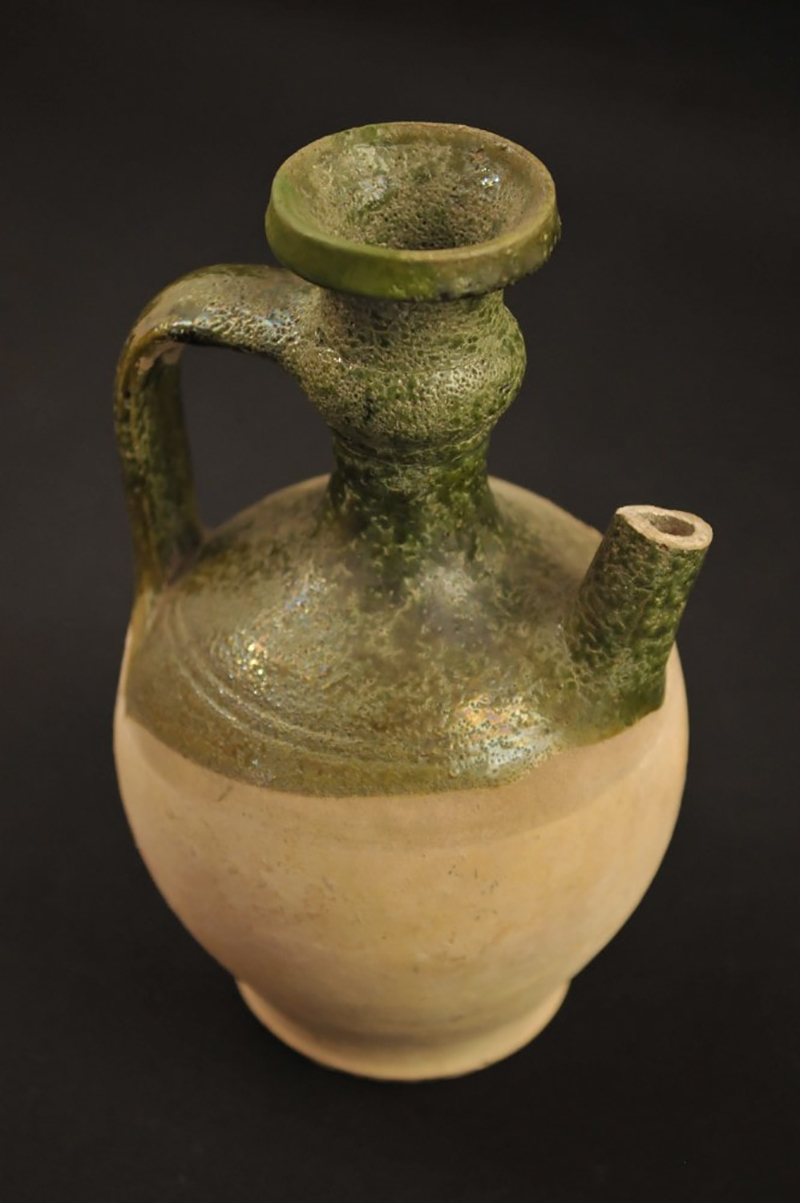
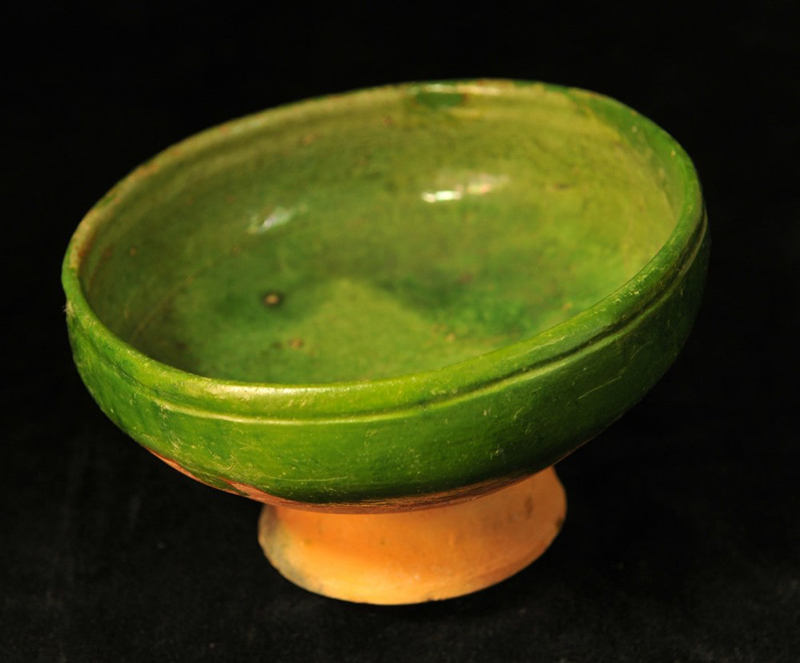
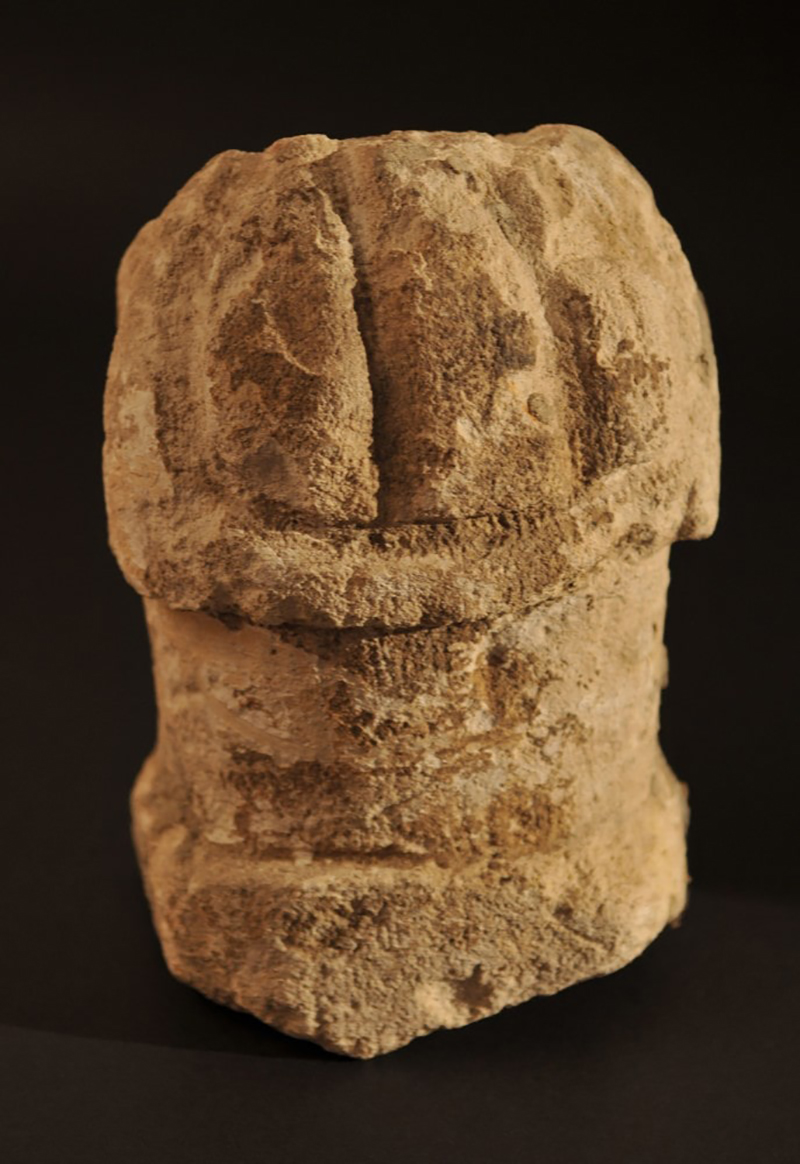
From 1629 it was again in Muslim hands for a long time, until 1685, the liberation war. The Turks did not build much in our city, at least this was not typical of them. However, they made significant fortifications in the castle for their own protection. During their rule in the 17th century, the cathedral that stood in the castle was also demolished in order to build new, strong-walled bastions from its stones. However, memories of their everyday life have been unearthed during excavations.
The Turks relocated the Christian population from near the castle to what is now Március 15. tér, so that only their own soldiers and families would reside around the fortress. Most of the indigenous population remained in Vác, as ordinary people in other parts of the country did not have much land, which was the most important basis for livelihood at that time. Despite the perseverance of the locals, the population decreased significantly during the many sieges by the end of the 17th century.
From 1686 to 1800
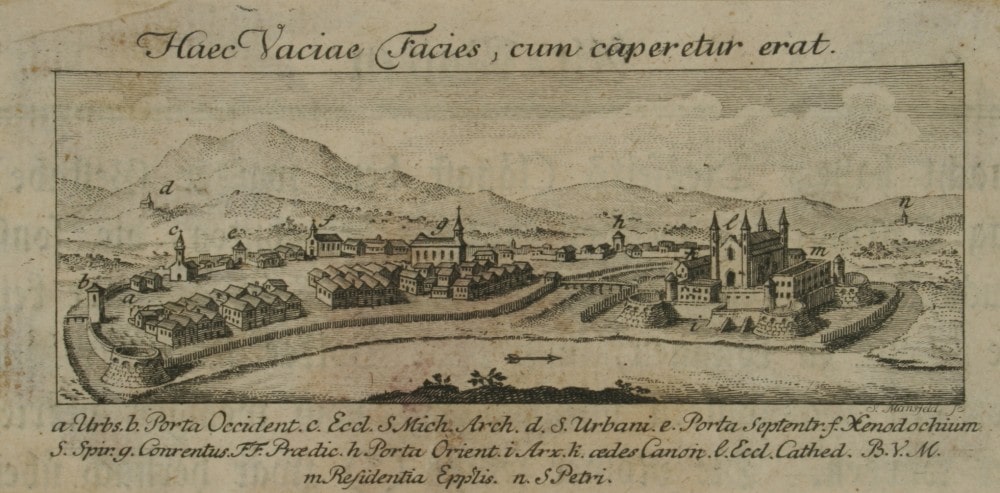
After the expulsion of the Turks, the once prosperous Vác lay in ruins. The contemporary Bél Mátyás In 1686, he painted a sad picture of the city:
“After the capture of Buda, Vác, or rather, the traces of Vác, remained in our power, because nothing was visible from the castle except for the walls that had been knocked down here and there, and in the city devastated by so many fires, there were hardly a few huts, and even those were only hastily put together. The rampart ran around the ditch, built of oak, but it was also in a ruined state. Moreover, the torn arches of the gates barely retained any of their former strength. The streets, the larger of which ran in a west-east direction, were blocked with rubble, laden with dirt and grime. The magnificent church buildings were dug out of their foundations for the purpose of strengthening the castle, and even their traces have been lost.
This was the picture of Vác when it was finally liberated from the Turks, with almost no inhabitants. First Slavic settlers, then German immigrants, began to settle in the city, building small houses among the ruins, as chance or good will directed them. …”
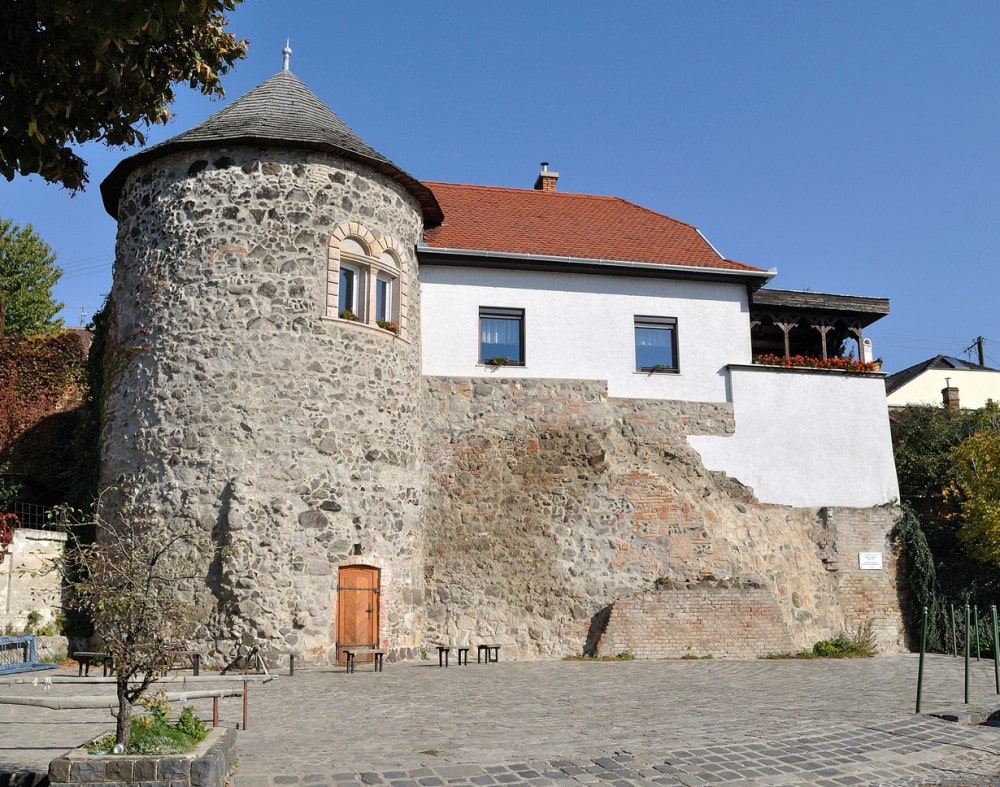
The reconstruction work was interrupted by the events of the Rákóczi War of Independence. The city changed hands several times, and was again destroyed by imperial attacks and the fire of 1709. Only the Hegyes Tower on the Danube bank remained from the medieval city wall. The surrounding area: the Naszál, Gyada and Katalina forests provided shelter for the refugees. A plague epidemic broke out in the city due to the unburied corpses. The reconstruction had to start all over again.
The population of the city was partly due to the organized settlement work of the bishops and partly to spontaneous movement. The bishop-landlords, who aimed to rebuild the episcopal seat and restore the economy, tried to attract domestic and especially foreign settlers with various benefits – houses, land and building materials, tax breaks.
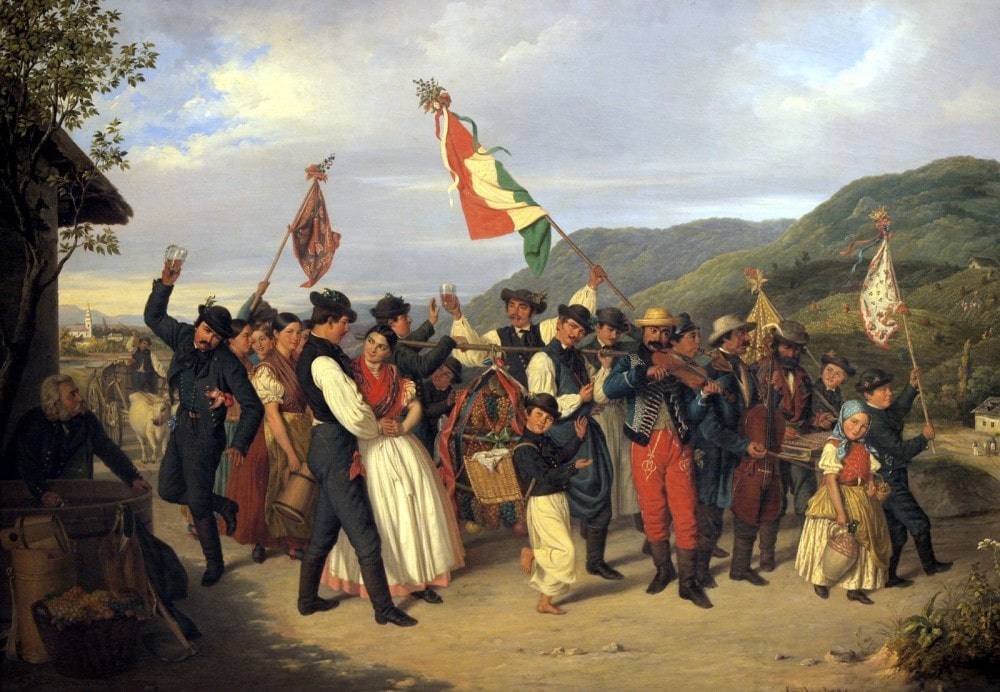
The population increased almost tenfold between 1715 and 1784: from 960 to 8,334. Most of the settlers who found their home in the city came from German-speaking areas, but we can also find Czechs, Moravians, Slovaks, Serbs, Croats, and even French and Italians among them. The cultivated areas increased in parallel with the increase in the population, especially the area planted with vineyards grew by leaps and bounds. The reorganization of the guilds began in parallel with the settlement. Most of the artisans are found in the guilds of shoemakers, tailors, and millers.
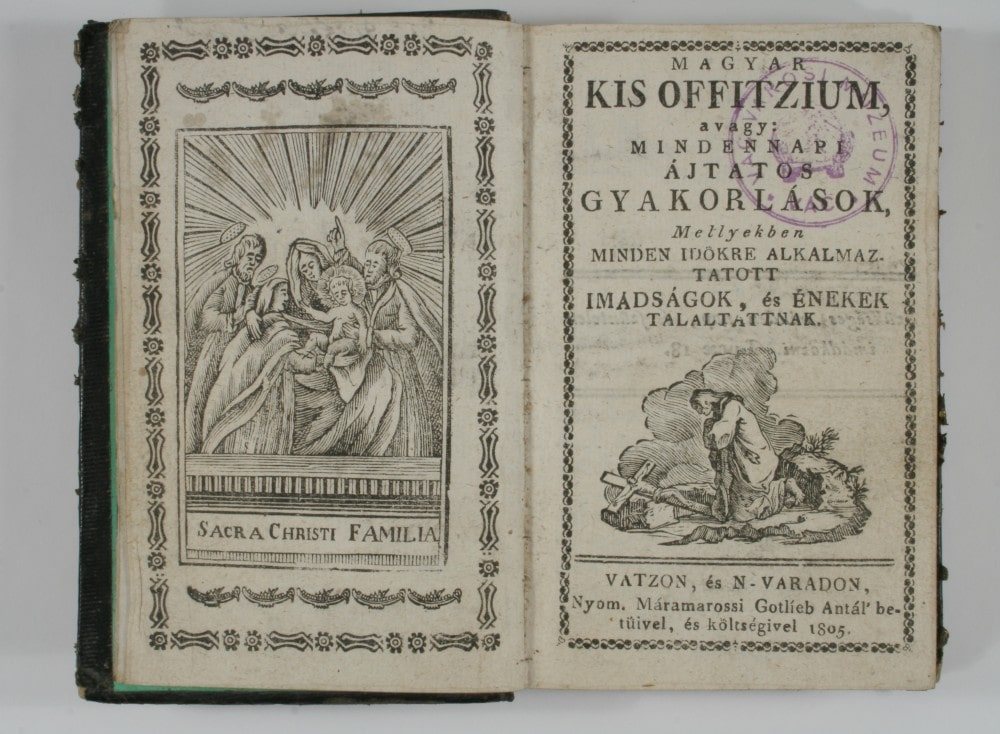
The printing house in Vác – founded around 1770 Ambró Ferenc Ignác founded – published, among others, Uránia, the first Hungarian-language literary magazine. After Ambró's death, Máramarosi Gottlieb Antal took over the management of the printing house. Vác was the most industrialized city in the county after Buda and Pest.
The tasks of the orders that settled in the city were to strengthen religious life and provide education. Dvornikovich Mihály Bishop settled the Dominicans in the city in 1699. The Piarists began their work in the city in 1715, and the Franciscans four years later. The Order of the Merciful arrived in Vác in 1763 with healing duties. They also maintained a convent and a pharmacy.
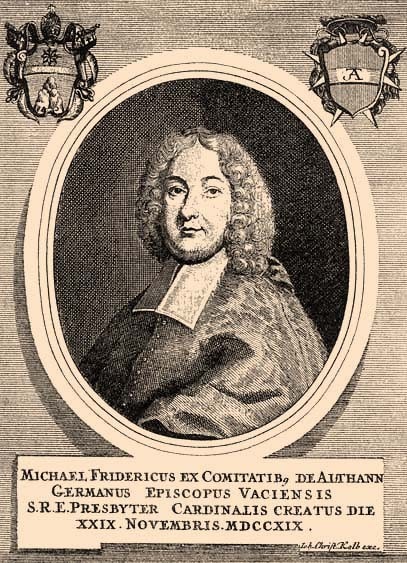
The territorial growth of the city and the development of the urban structure can be traced. It arrived in its capital in 1711 Kollonits Zsigmond bishop. He began his work in the spirit of reconstruction and re-Catholicization. Due to his lordly power, he forbade the free practice of religion by non-Catholics in the episcopal seat in 1712. The Calvinists therefore moved to the area north of the city, where they founded a serf village called Kisvác. Althann Mihály Frigyes After his inauguration as bishop (1718 – 1734), he had a detailed map and land register of Vác prepared.
The city was surrounded by a moat and three city gates were built. The Tabán district is located outside the moat line on the map. The city center consisted of two districts: the upper city (the former “German city”) and the lower city (the former “Hungarian city”). The city center was bordered by the castle to the south. After the fire of 1731 – in which 198 of the 229 houses burned down – the great episcopal constructions began. He waived the annual tax for those damaged by the fire, distributed building materials, and his only condition was that the houses be built in compliance with the regulations he issued. As early as 1712 Kollonits The bishop agreed with the Chapter on the division of the estate, and transferred 1/8 of the landlord income of Vác to them. In 1742, a lawsuit was filed between the Chapter and the Bishopric, because the manor did not pay the income due to the Chapter. The lawsuit ended with the actual division of the city. The Chapter received 1/8 of the city and its borders in exchange for the outstanding amount. From then on, Chapter-Vác formed a separate administrative unit, with a separate council, seal, and independent guild organizations. Vác became a twin town, and the two market towns – Chapter-Vác and Bishop-Vác – formed a joint committee to discuss only common matters. In 1769 Migazzi Kristóf Bishop Kisvác was annexed to Bishop-Vách.
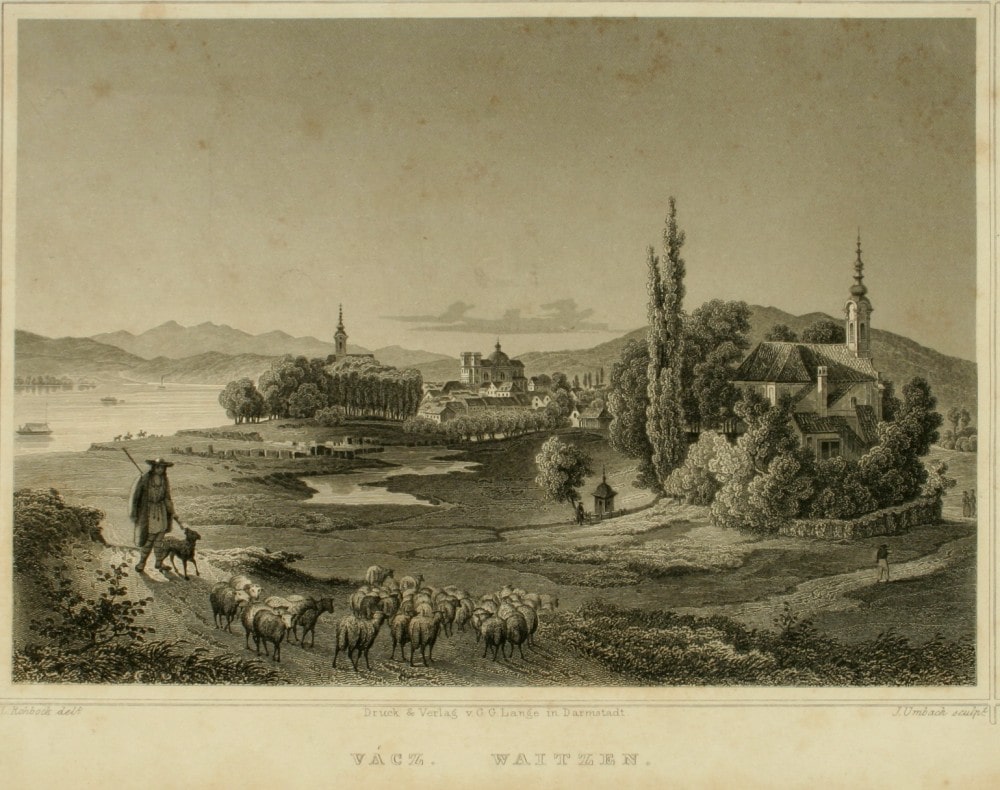
The result of the episcopal constructions after the great fire of 1731 is the Baroque cityscape that can still be admired today.
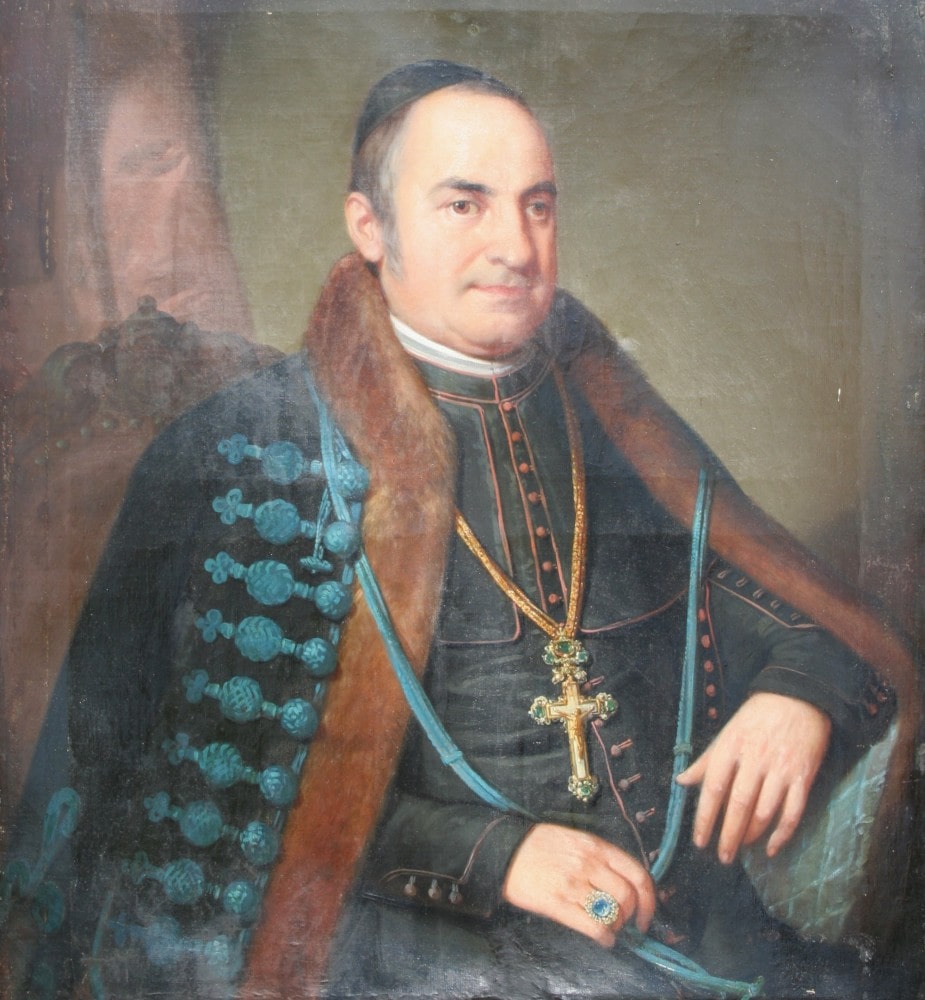
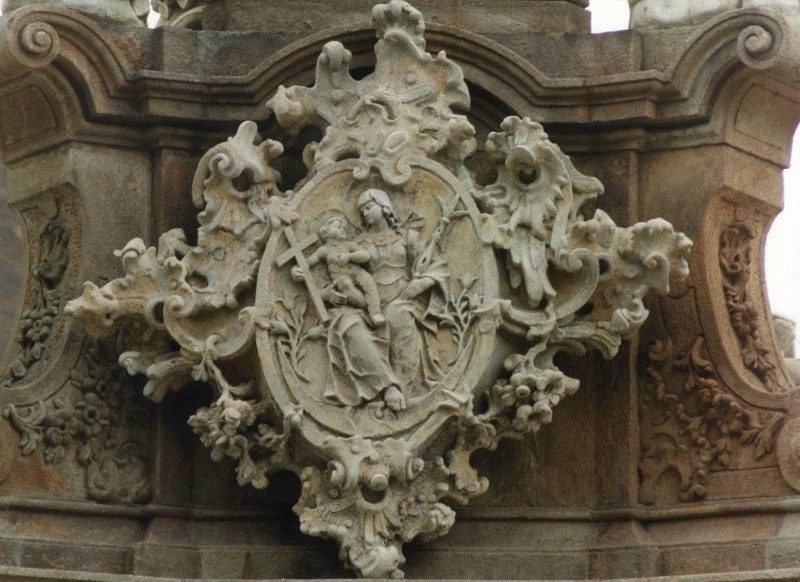
The Althann-style bishop's palace stood on the site of today's Deaf-Mute Institute. Outside the city gate, the "red house", the farm building of the manor, was built, which got its name from the bright red color used by the builders who arrived from Naples. At that time, the construction of the current city hall also began. After the devastating plague of 1740-41, the statue of the Holy Trinity was erected, and the chapel of St. Roch, which was still on the city's outskirts, next to the plague cemetery, was built in order to avoid further epidemics. The Piarist church was consecrated in 1745. The Dominican church, which the people of Vác call the "Church of the Whites", was completed in 1755. Eszterházy Károly Bishop demolished the St. Michael's Church on the main square, creating the square's current form. The "stone bridge" spanning the Gombás stream was completed in 1759. The episcopal seat experienced its heyday during the bishopric of Kristóf Migazzi (1756 – 57, 1762 – 1786).
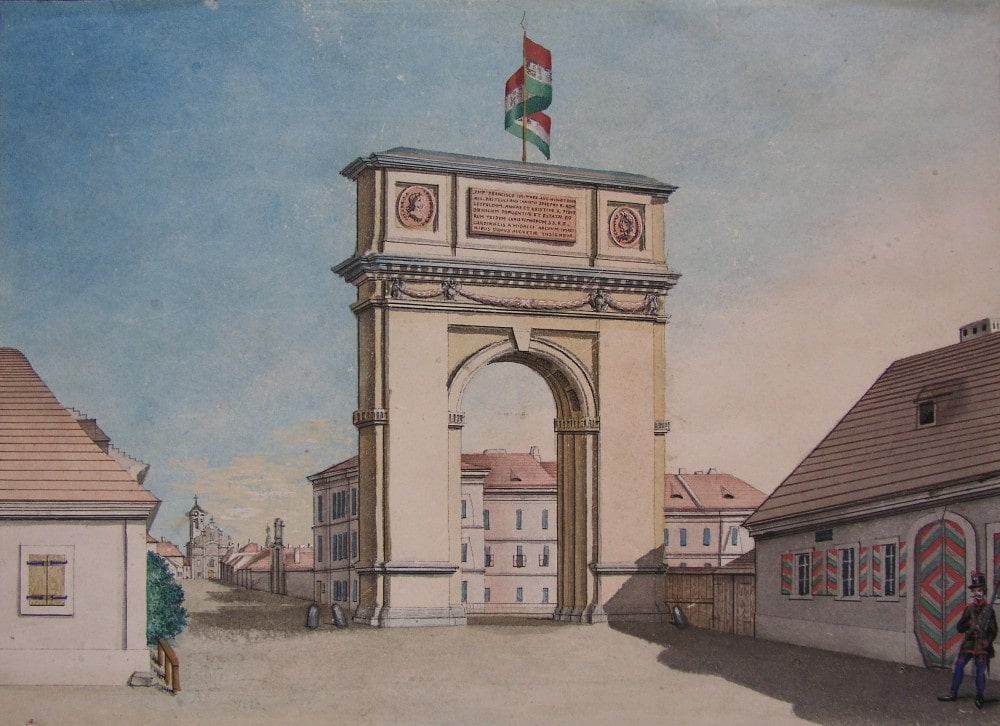
A város legjelentősebb műemlék épülete a klasszicista elemekkel kevert későbarokk stílusú Székesegyház, amely 1761 – 1777 között épült fel. Migazzi – mivel túl költségesnek találta a korábbi Pilgram-féle terveket, Isidore Canevaleval újat terveztetett. Az építkezés irányításával Oswald Gáspár uradalmi építészeti felügyelőt bízta meg. 1764-ben Mária Teréziát látta vendégül a püspök – és a város. Fél év alatt készült el a Diadalív, mely országosan is egyedülálló műemlékünk. Terveit szintén Canevale készítette.
Az uralkodó érkezésére már befejezték a városháza építését is. 1766-ban fejeződött be a ferencesek templomának építése. A ferencesek – püspöki engedéllyel – a régi vár köveit is felhasználták az építéshez. 1772-ben készült el az új püspöki palota épülete. Migazzi építkezéseivel székvárosát méltóvá tette az uralkodó látogatásának fogadására. A város 18. századi fejlődése példaértékű: romokban heverő településből virágzó gazdasági-kulturális

Vác a 19. században
1818-ban, a Tudományos Gyűjteményben Nagy Imre így mutatta be Vácot:
„Fekszik Vátz a’ Duna bal ágának napkeleti partján, a Duna két ágra szakadásán alól, vagy is a’ Visegrádi Vártól egy óra járásnyira… Napnyugot felöl a’ Vértes’ hegyei, Éjszak felöl Nagyszál, vagy Naszál Hegyei meszsze kiterjedve látszanak, ezeknek teteje bükkös ’s tölgyös erdőkkel van fedezve, oldalai pedig, és allja temérdek sok szöllökkel vannak megrakva. … Szántó földje, és mezeje Vátznak kevés vagyon, és ennek is nagyobb része homokos ’s szomjuhozó földből áll … Levegője Vátznak egy átaljában tiszta, ’s egéséges …”
The development of the city slowed down in the 19th century. The reason for this can be found, on the one hand, in its specific legal situation, and on the other hand, in the rapid economic and demographic development of Buda and especially Pest. At that time, Vác was a market town, episcopal seat and twin town at the same time. The lord of Bishop-Vác was the bishop of the time, and Chapter-Vác was the chapter. They were unable to achieve either unification or becoming a free royal city. It is true that the bishop's seat, which could also be considered a private feudal city, was in a better position than the market towns, and its internal administration was much like that of the free royal cities, and dependence on the manor also meant heavy burdens for the city. Its inhabitants, although they considered themselves "Vác citizens", could legally be considered serfs. The Vác people were engaged in agriculture - mainly viticulture -, handicrafts and trade.
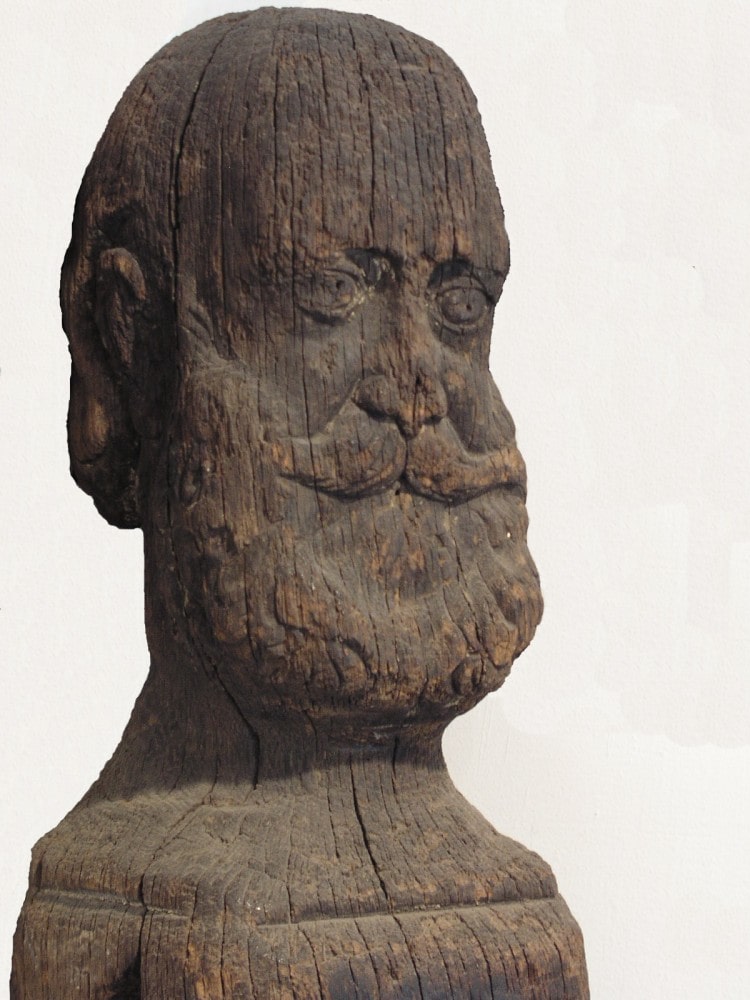
According to the 1828 census, nearly 20% of the town's population was engaged in handicrafts, which corresponds to the data of the most industrialized market towns. It is true that a significant part of the craftsmen only practiced their trade seasonally, and supplemented their income with viticulture. In addition to tailors, shoemakers, and blacksmiths, millers were the most numerous. In the first half of the 19th century, a total of 34 ship mills were operating in Vác. The power of the Danube's current was used to grind grain. The noses were often decorated with masterful carvings.
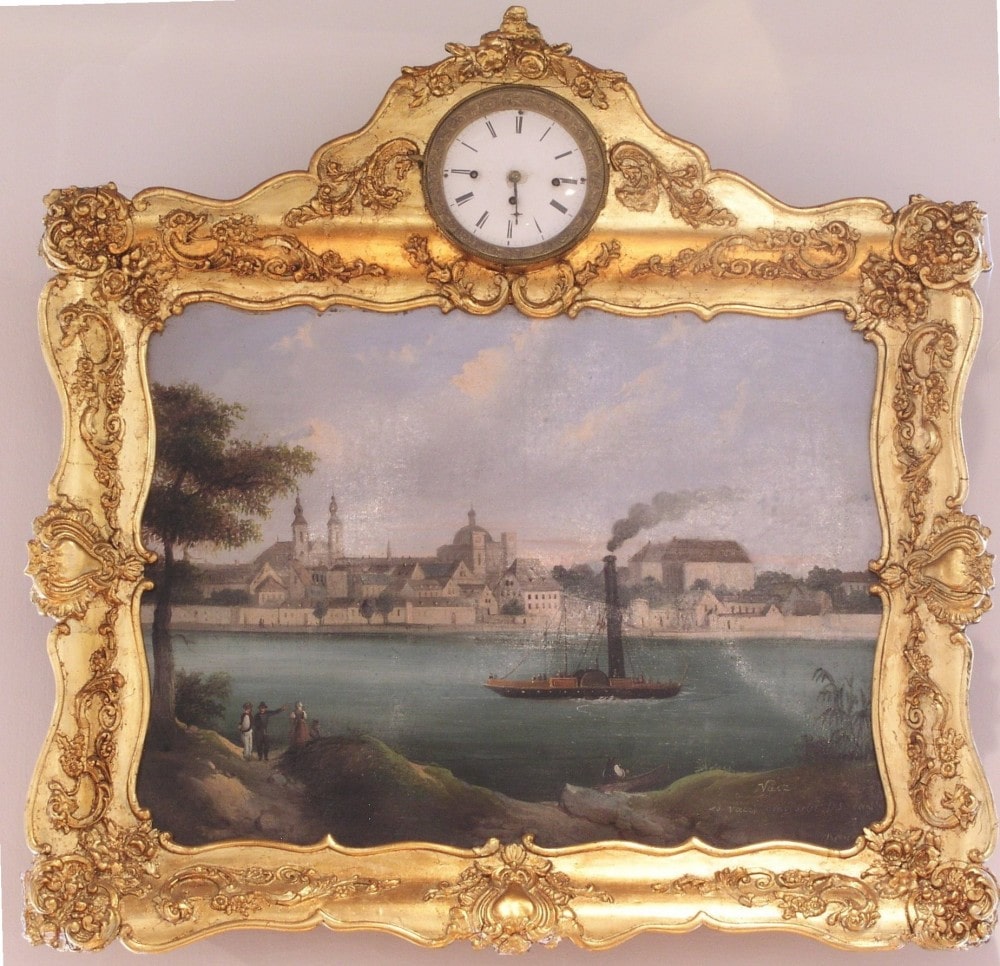
By the middle of the century, Vác was one of the market towns supplying a medium-sized market area. Four national fairs were held in the city, divided into four seasons: on Flower Sunday, the Feast of the Assumption of the Virgin Mary, St. Gall's Day and St. Thomas' Day. The importance of the fairs decreased in proportion to the growth of Pest's central economic role. The weekly market played the largest role in local trade. On Tuesdays and Fridays, the Market Square was filled with vendors. Those arriving from afar could stay at the Curia guesthouse on the main square, but the "Golden Deer", the "Golden Star", the "Golden Barrel" and the "White Ship" inns were also full at this time. Transport played a decisive role in the development of the city. Steamboats started in 1817, but regular weekly services only arrived in Vác from 1829.
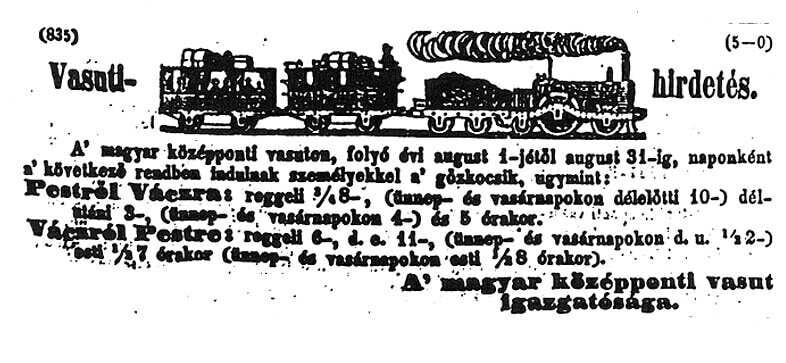
A helyi árusok Bécs és Pest felé szállították terményeiket, elsősorban az igen finom csemegeszőlőt. Az első vasútvonal megnyitására 1846. július 15-én került sor. A három kocsiból álló szerelvényen utazott István főherceg nádor, Kossuth Lajos és Széchenyi István is. A Vácra érkezőket az ünnepélyes fogadtatás mellett egy sajnálatos esemény is várta: a Tabánban tűz ütött ki. A tűz oltásában a vasúton érkezők is segítettek. A vasútállomást a városon kívül, az alsóvárosi plébániához tartozó kert területére építették. A vasút „lerövidítette” a távolságot a főváros és Vác között, tovább gyengítve a püspöki székhely piacközponti szerepét.
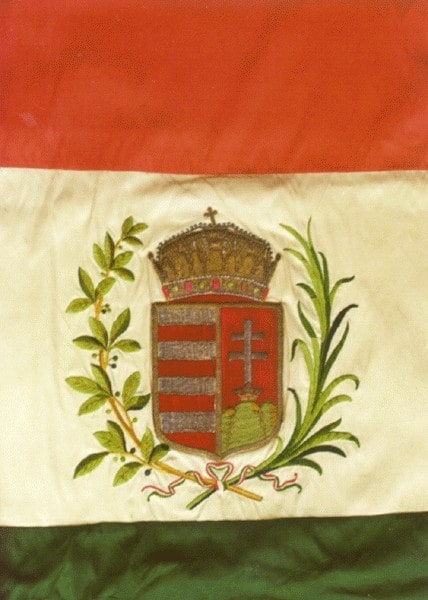
A vasút jóvoltából a 1848. március 15-én kirobbant forradalom híre még aznap délután elérkezett Vácra. Az 5 órás vonattal érkező szemtanú magával hozta Petőfi Nemzeti dalának egy frissen kinyomtatott példányát, s a főtér és a Sáros utca sarkán álló Steinhauser-féle kávéházban – amelyet egyszerűen csak Füstös-nek hívtak – azon melegében el is szavalta a közönségnek. Másnap már a városházán is nemzeti színű lobogót fújt a tavaszi szél. 1848 nyarán országgyűlési választásokat tartottak. A váci kerületben egy régi váci család sarja, Hajnik Pál a szabadelvű párt jelöltje győzött. Szeptemberben a város a Dunán inneni kerület önkéntes nemzetőreinek gyülekezőhelye lett.
Ősszel érkeztek az első sebesültszállító kocsik a városba. Kórházzá alakították a papnöveldét, a ferencesek zárdáját és az elaggott papok otthonát. A szorosan vett katonai események 1848 decemberében érték el a várost. Görgei a január 5-i váci proklamációja után elhagyta Vácot. Az osztrák megszállók elől sokan a környékbeli szőlőkbe menekültek. Damjanich hadtestének április 10-i támadása meglepetésként érte megszállókat. A Gombás-pataknál zajló csata – melyben Götz tábornok is elesett – kiindulópontja lett a későbbi sikeres katonai eseményeknek.
Május 17-én a székesegyházban kihirdették a Függetlenségi nyilatkozatot. Az orosz invázió megindulásával a város ismét stratégiai szerepet játszott. A július 15-i váci csata volt a szabadságharc utolsó sikeres ütközete. Miután a magyar csapatok elvonultak, Paszkievics tábornagy hadteste élén bevonult Vácra.
A várost a teljes pusztulástól Zichy Hippolyt alsóvárosi plébános mentette meg: felgyújtás és öldöklés helyett az orosz sereg csupán „kifosztotta” a helybélieket.
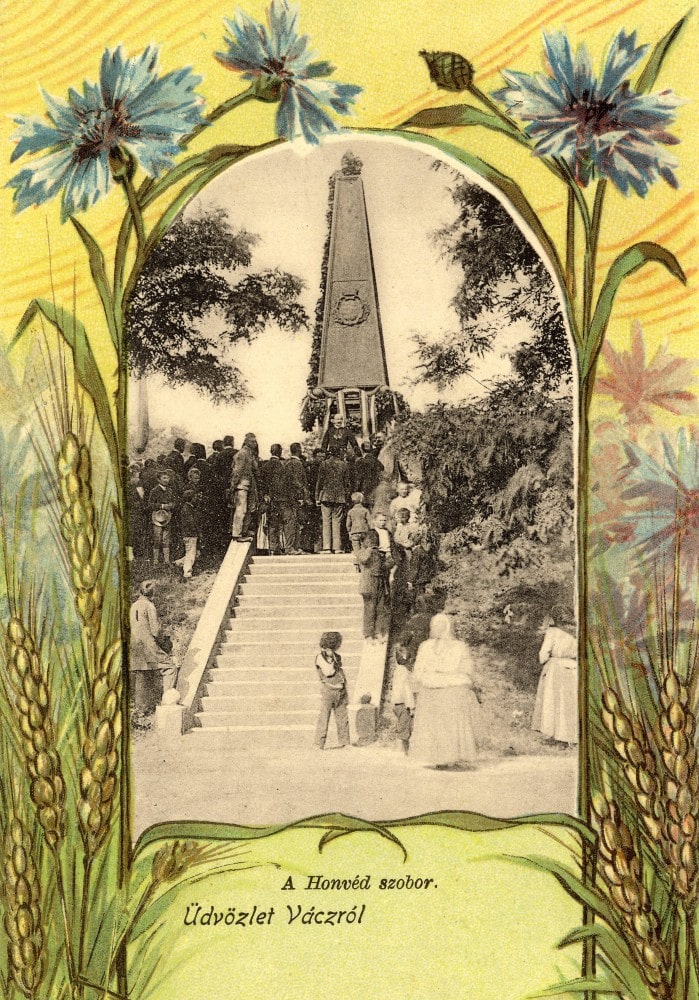
A szabadságharc leverését szörnyű megtorlás követte: halálbüntetés, fogság és kényszersorozás. A város vezetőit elbocsátották hivatalukból. A fővárosból száműzöttek közül sokan – Landerer, Degré Alajos… – találtak otthonra Vácott. A kiegyezést követő politikai enyhülés a nemzeti érzelmek bátrabb kinyilvánítását is lehetővé tette. A szabadságharc emlékére itt állították az első emlékművet, melyre a száműzetésben lévő Kossuth is küldött pénzadományt. Az ünnepélyes felavatásra 1868. július 19-én került sor.
A 1850-es évek derekán a városegyesítés kérdése újból napirendre került. A jobb gazdasági helyzetben lévő Káptalan-Vác ellenkezésének dacára 1859. május 1-én, az egyesítést jóváhagyó 2922/1859. sz. megyehatósági rendelet nyomán született meg Vác. A város közjogi helyzetét az 1871:18. tc. alapján rendezték. 1872-ben az immár egyesített Vác mezővárosból rendezett tanácsú várossá alakult át.
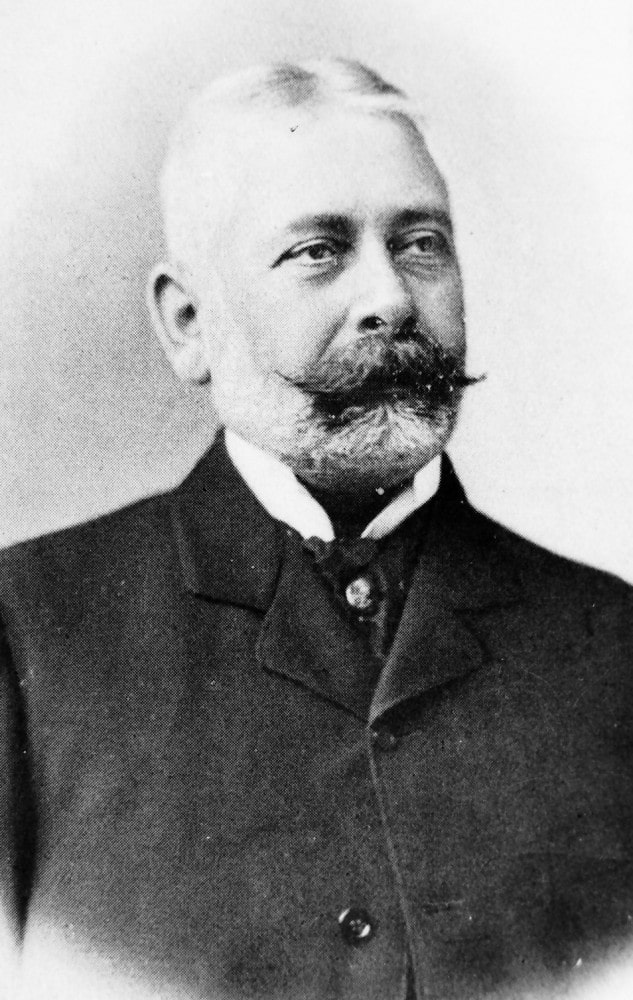
A kiegyezést követő néhány év még nem hozott fellendülést. A rendezett tanácsú város kiadásai rendre jelentősen meghaladták a bevételeket, a közbiztonság gyakorlatilag megszűnt. Az áldatlan közállapotok megjavítására irányuló igyekezetek – dr. Freysinger Lajos közjegyzőnek köszönhetően – a ’80-as évek elejére vezettek eredményre.
However, the momentum of development was halted by an unfortunate event. In the 1880s, two-thirds of the vineyards were destroyed by the phylloxera epidemic, which had serious economic and social consequences. Grape growers – especially the less mobile small farms – were ruined. While before the phylloxera epidemic, more than 60% of the population lived from agriculture, by the turn of the century this proportion had decreased to almost 24%.
The unemployed could not find work either in agriculture or in the handicraft industry. The surplus labor force could have been absorbed mainly by industrial companies, but as was complained in the local press “…we don’t have a single factory that would even slightly compensate for the shortage of workers. The poor man here in the countryside has virtually no source of income worth mentioning.” In the 1880s, a total of about 170-180 workers worked in the factories operating in the city. The most significant of them was the Reitter carriage factory, which under the leadership of István Reitter had grown into one of the most modern factories in the city by the 1990s. The fame of the Reitter carriages, which had won countless honorary titles, spread beyond the borders of the Monarchy.
The city's leadership tried to solve the problems caused by unemployment with large-scale industrialization. The geographical conditions that had withered the city's commercial role were appreciated. The proximity to the capital and the good transport conditions became very favorable for the establishment of factories. The city council, similar to national trends, offered /additional/ tax breaks, free land, and free building materials to factories intending to settle here. As a result of the large-scale industrialization, the number of people employed in industry and trade increased. According to the 1891 census, 18.08% of the population found work in industry and trade. This is also noteworthy because at that time this ratio was 14.6% in the case of towns with organized councils.
While the number of independent craftsmen exceeded that of factory workers in the early 1870s, and the small-scale nature was the decisive factor, this changed by the turn of the century. The number of people employed in small-scale industries remained lower than those employed in factories. The nature of small-scale industries also changed: it shifted towards services. Some industries were irretrievably doomed.
In parallel with the economic boom, the population also grew. The increase in the number of inhabitants led to the expansion of the city's territory and the increase in built-up areas. At that time, Deákvár began to be parceled out. The cityscape was also changing. New /public/ buildings that were adapted to changing needs – a train station, schools, a financial institution headquarters – were erected, and the Baroque town hall was expanded. Shops opened on the ground floor, first floor, and in many cases even in the courtyard apartments of the buildings on the main square, similar to the increasingly busy Széchenyi Street connecting the train station with the main square. Restaurants, inns, cafés, and pastry shops awaited the city's citizens.
A Duna-parti korzózás után a főtéri Rostetter cukrászda teraszán megpihenőket habos kávé, sütemény vagy fagylalt fogadta. Egyre élénkebbé vált a város társadalmi, egyesületi élete.
A forgalmasabb utcákat, tereket kockakővel burkolták. Az urbanizáció több vívmánya – vízvezeték, utcai villanyvilágítás, csatornázás – még hiányzott a századfordulón.
A civil társadalom aktivitását mutatják a virágzó gazdasági-, kulturális- és karitatív egyletek. Sok egyéb mellett a Váci Múzeum Egylet születése is erre az időszakra esett. A múltjuk iránt érdeklődő váci polgárok lelkes felajánlásai nagyban hozzájárultak ahhoz, hogy létrejöhessen a város múzeuma. Az első kiállítást 1898. február 27-én nyitották meg Bauer Mihály rajztanár és „múzeumigazgató” Tabán utcai házának egyik helyiségében.
Az élet – köz- és magánélet egyaránt – a helyi sajtó révén a nyilvánosság tárgyává vált. Két rendszeresen megjelenő helyi lap – a Váczi Közlöny és a Váczi Hírlap – szolgált információkkal a várost érintő legfontosabb politikai, gazdasági és társadalmi eseményekről. A huszadik századba egy fejlődésnek indult, lehetőségeivel jól sáfárkodó város léphetett.