Kiállítóhely
Vác, Március 15. tér
Tuesday-Sunday
The exhibition is open from April to the end of October. Closed during the winter and can only be visited by prior appointment.
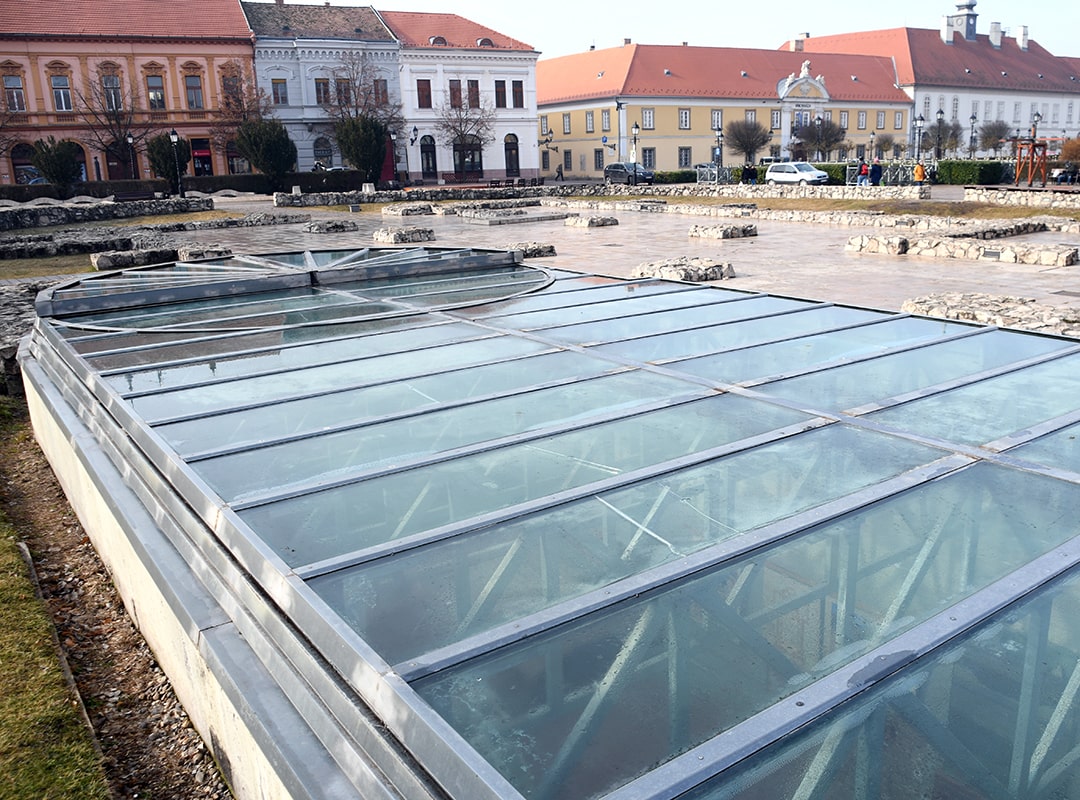
Archaeological exhibition in the middle of the Main Square/March 15th Square, in the crypt of the former St. Michael's Church. The renovation of March 15th Square was preceded by a thorough archaeological excavation, during which the ruins of the church of the former German city, which had been rebuilt many times over the centuries, and valuable finds, such as carved tombstones, were discovered.
The site of today's main square in Vác was already a settlement during the Hungarian conquest. On the site of today's Main Square, the inhabitants built a presumably modest church in the 11th or 12th century. No details of this building have been found, only a few excavated graves in the cemetery belonging to it prove its existence.

A Vácot 1241-ben feldúló mongolok elvonulása után a 13. második felében németek költöztek Vác ezen városrészébe. A beköltözők a régi egyház helyén létesítették a Szent Mihály-templomot és temetőjét, melyek 1319-ben szerepelnek elsőként okleveles forrásban. E korai, feltehetően későromán stílusú épület alapfalaiból olyan kevés került elő, hogy pontos alaprajzát nem tudjuk megrajzolni.
A XIV. század végén vagy a XV. században a gótika idején teljesen átépítették, megnagyobbították. A XVI. század közepéig még több kisebb átépítés történt, melyekre a napvilágra került töredékes faragott kövek utalnak. A törökök 1544-ben foglalták el első ízben Vácot, és csak 1685-ben sikerült végleg elűzni őket. Egy 1570 tájáról származó török házösszeírásból tudjuk, hogy az akkori főtéren a Szent Mihály-templom körüli temető romladozó kőfala mellett, annak külső oldalán több török bolt állt, tőlük néhány lépésnyire pedig a piac többi boltja helyezkedett el. A templomot a mohamedánok meghagyták a keresztények kezén, akik pl. 1669 táján még egy új toronnyal is bővíthették azt.
Az oszmán hódítók kiűzése után a templomot a váci katolikusok elvették az azt régóta használó protestánsoktól és a harcokban elpusztult székesegyház helyett püspöki székhelyként használták. Az 1755 utáni években elbontották a középkori késő gótikus szentélyt és a gótikus hajó keleti részét, majd ezek helyén vastag, robosztus alapokkal a középkorinál jóval szélesebb és hosszabb bazilika építését kezdték meg.
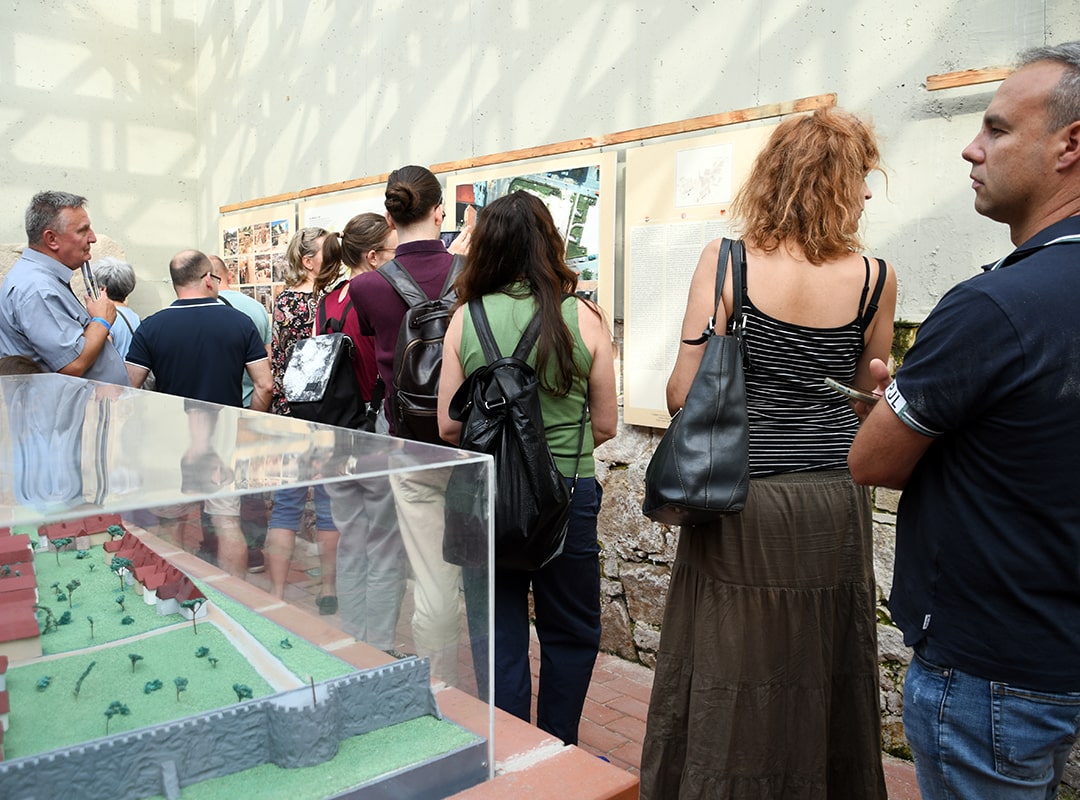
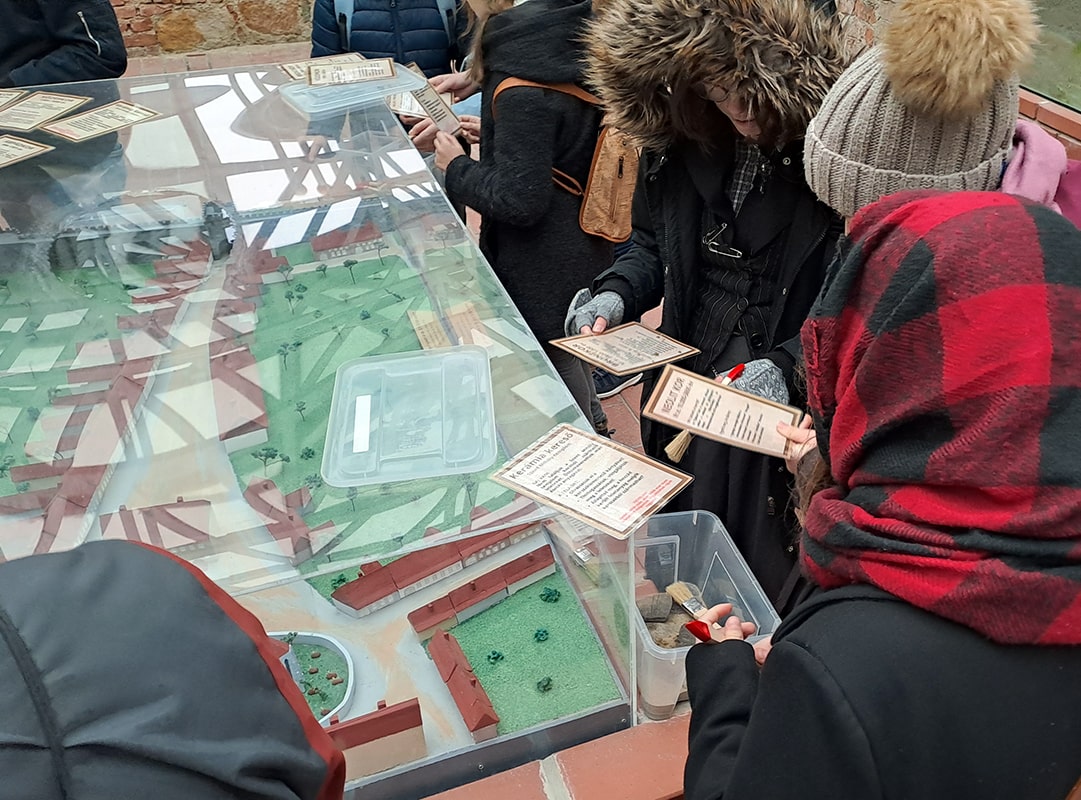
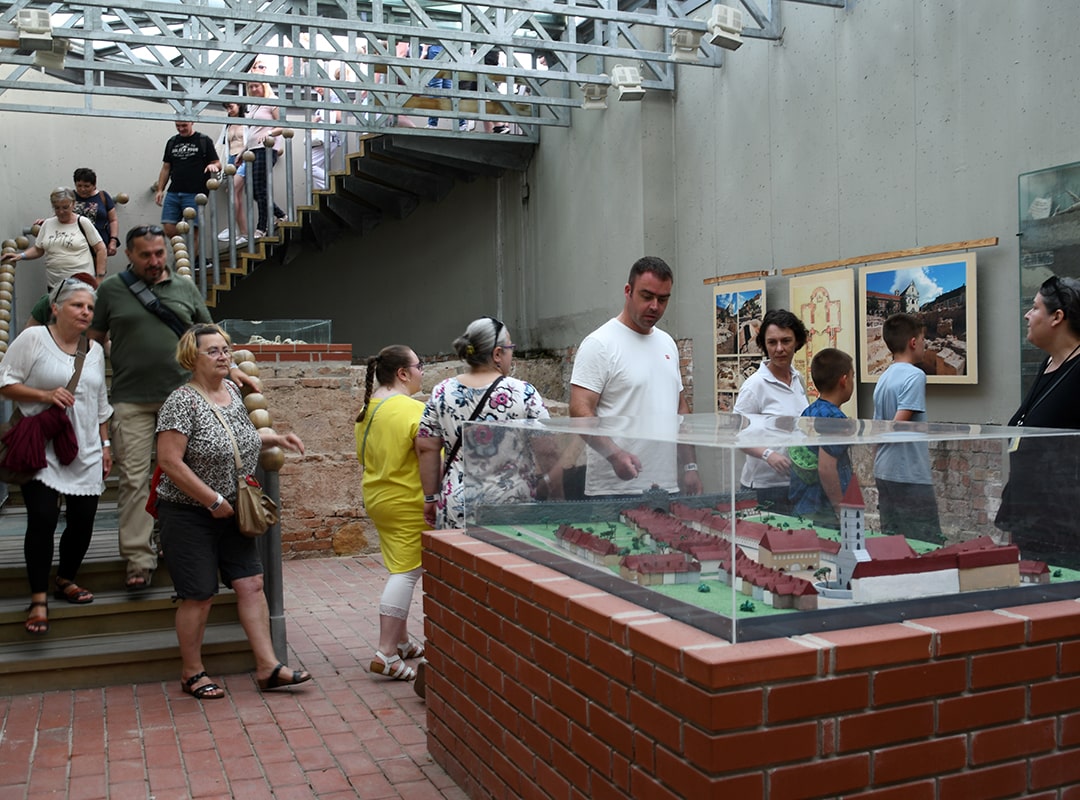
During the excavation, these – mostly brick – Baroque foundation walls and parts of a crypt were discovered on the eastern side. Only minor alterations were made to the western part of the nave during the Baroque period. The planned basilica was not fully built, as the new bishop stopped construction around 1760, demolished both the new and old walls of the church, as well as the cemetery fence, and buried the remains. The exhibition presenting the findings can be viewed in the exhibition space set up in the crypt of the church in the middle of Március 15 Square.