Archaeological Exhibition
Szent Mihály Underground church
Vác, Március 15. tér közepe
The renovation of March 15th Square was preceded by a thorough archaeological excavation, during which the ruins of the church of the former German city, which had been rebuilt many times over the centuries, and valuable finds, such as carved tombstones, were discovered.
There was already a settlement at the site of the present-day main square of Vác during the Hungarian conquest. On the site of the present-day Main Square, the people living here built a presumably modest church in the 11th or 12th century. No details of this building have been found, only a few excavated graves in the cemetery belonging to it prove its existence. After the Mongols who ravaged Vác in 1241 left, Germans moved to this part of the city of Vác in the second half of the 13th century. The settlers established the St. Michael's Church and cemetery on the site of the old church, which are first mentioned in a documentary source in 1319. So little of the foundation walls of this early, presumably late Romanesque-style building have been found that we cannot draw its exact ground plan.
At the end of the 14th century or in the 15th century, it was completely rebuilt and enlarged during the Gothic period. Several smaller reconstructions took place until the middle of the 16th century, which are indicated by the fragmentary carved stones that have come to light. The Turks occupied Vác for the first time in 1544, and they were finally driven out only in 1685. From a Turkish census from around 1570, we know that several Turkish shops stood on the main square at that time, next to the crumbling stone wall of the cemetery around St. Michael's Church, on its outer side, and a few steps away from them were the other shops of the market.
The Muslims left the church in the hands of the Christians, who, for example, were able to expand it with a new tower around 1669. After the expulsion of the Ottoman conquerors, the Catholics of Vác took the church from the Protestants who had been using it for a long time and used it as a bishop's seat instead of the cathedral that had been destroyed in the fighting. In the years after 1755, the medieval late Gothic sanctuary and the eastern part of the Gothic nave were demolished, and in their place they began to build a basilica much wider and longer than the medieval one with thick, robust foundations.
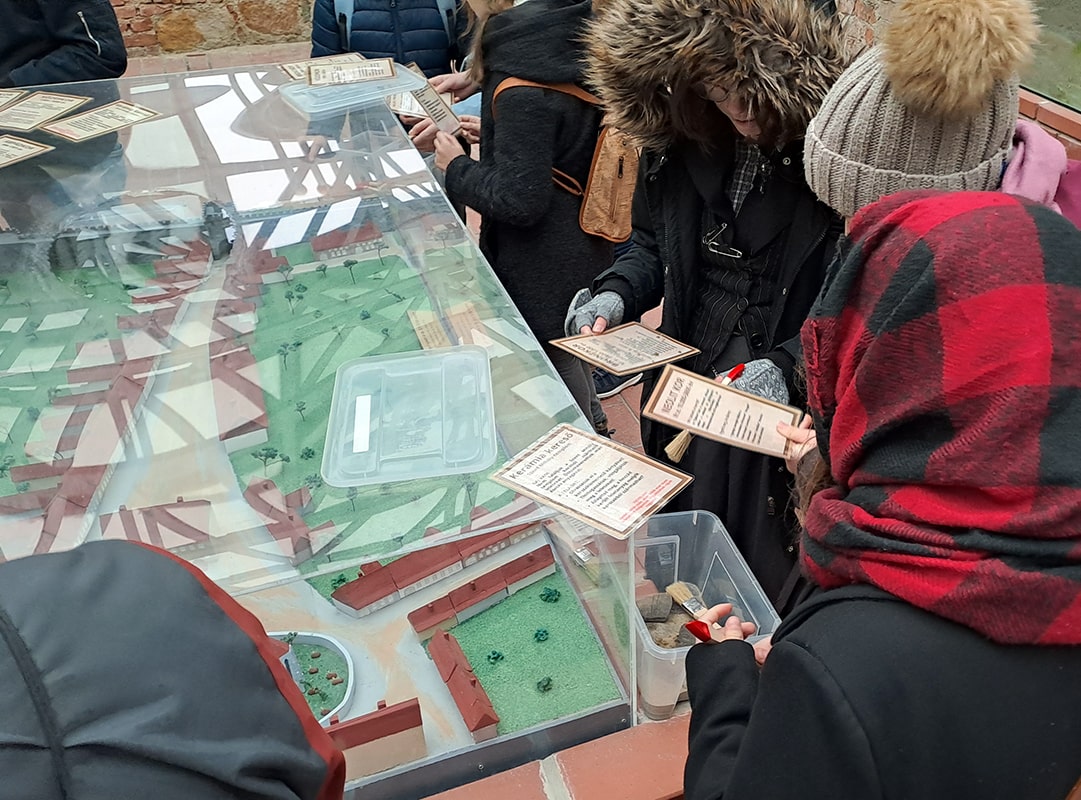
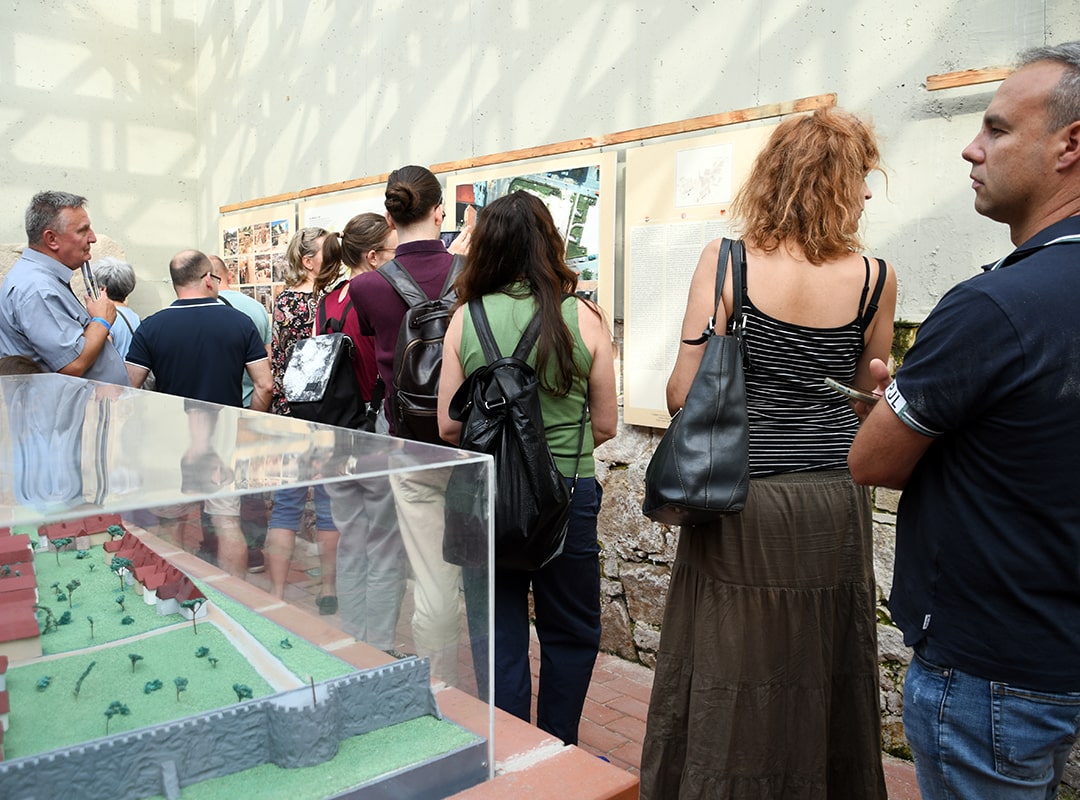
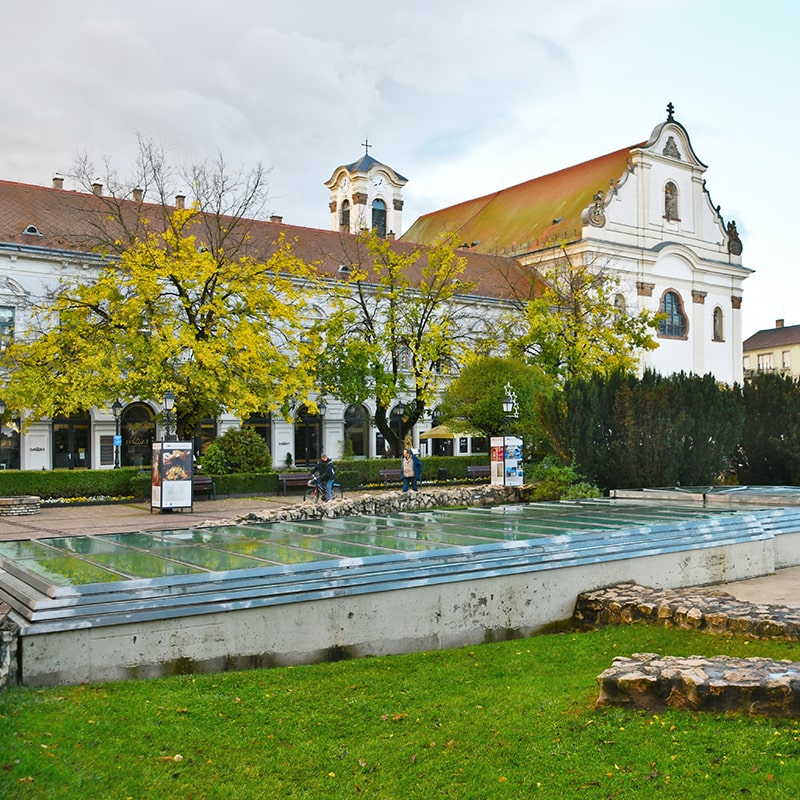
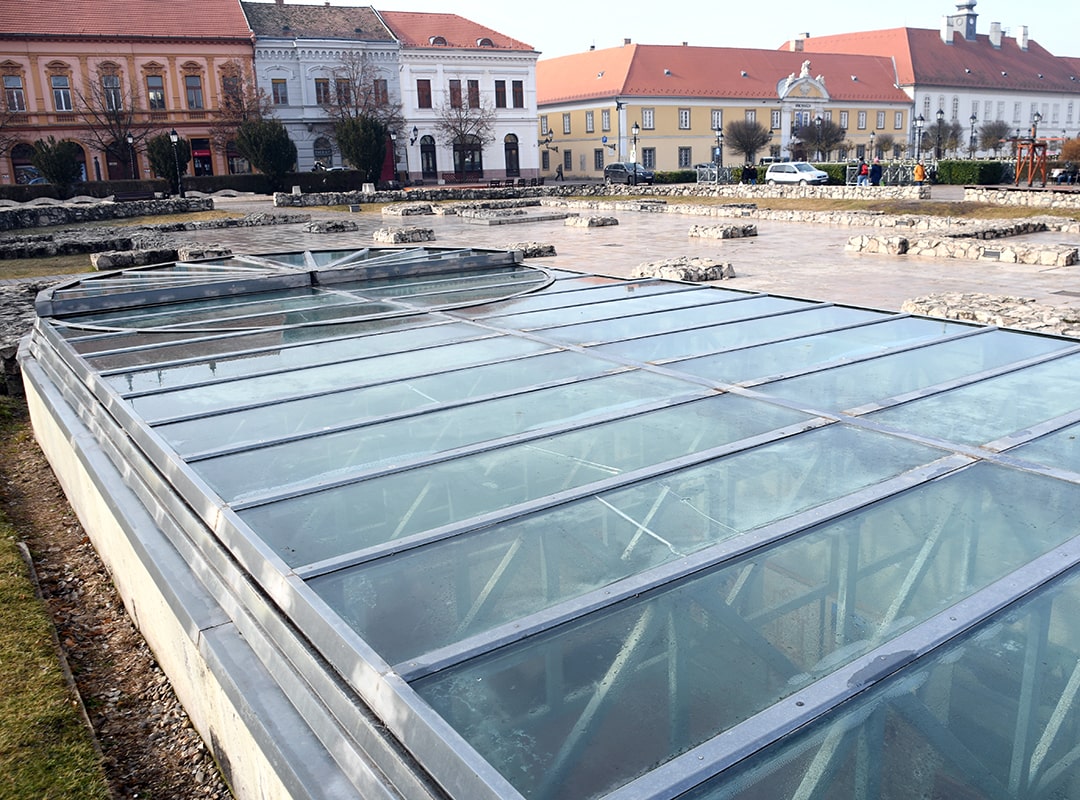
During the excavation, these – mostly brick – Baroque foundation walls and parts of a crypt were discovered on the eastern side. Only minor alterations were made to the western part of the nave during the Baroque period. The planned basilica was not fully built, as the new bishop stopped construction around 1760, demolished both the new and old walls of the church, as well as the cemetery fence, and buried the remains. The exhibition presenting the findings can be viewed in the exhibition space set up in the crypt of the church in the middle of Március 15 Square.